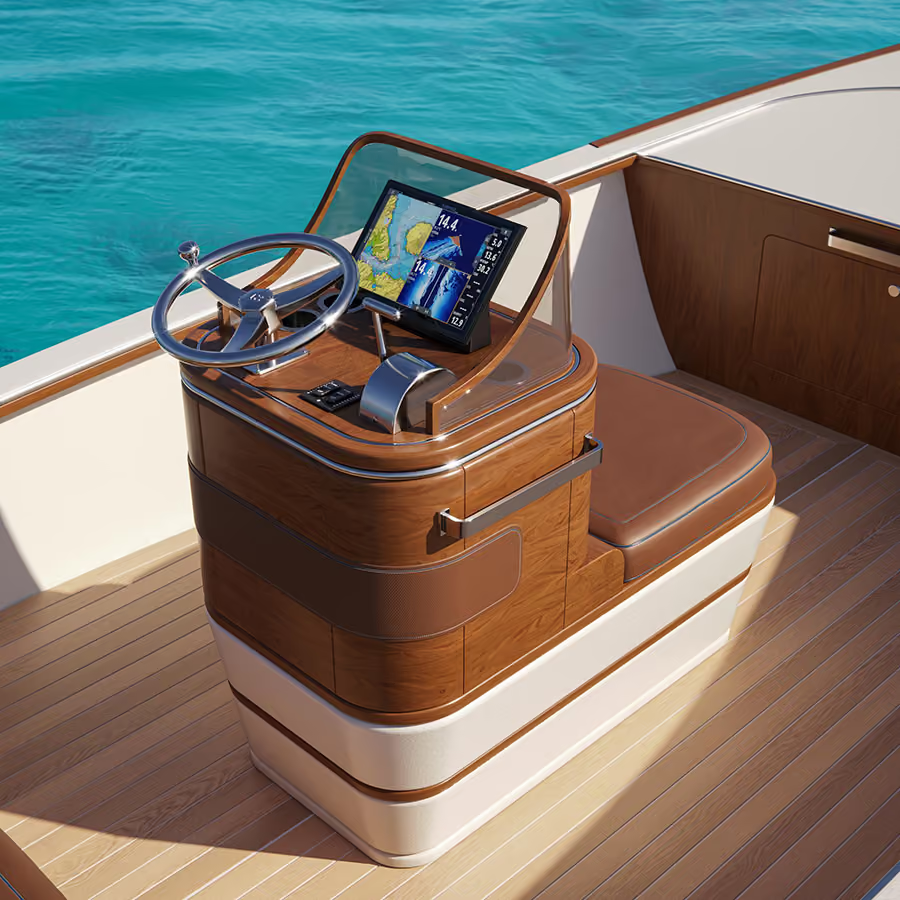
Choosing the best boats for Martha’s Vineyard starts in the same place, with the island itself. A boat may spend one part of the day tucked into a harbor or cove and another out where the water has more movement beneath it. Fishing, family days, tender duty, and simple trips around the island can all ask something different of the hull.
This guide looks at those local demands first, from protected and calm waters to the crossing and the inshore fishery, then takes the characteristics that make a boat feel at home here into consideration. Around the Vineyard, suitability is less about collecting features than understanding where the boat will actually spend its time.
The best boats for Martha’s Vineyard combine shallow draft for the island’s harbors and coves with a hull that remains comfortable when Vineyard Sound develops a short chop. Around the island, these two qualities meet more often than a spec sheet might suggest.
A day can begin in protected water, move out through a harbor entrance and continue across a more exposed stretch before returning to points close to shore. Less draft gives a boat more freedom near coves and protected edges. Once the water opens up, hull form begins to carry more of the experience.
For fishing boats for Martha’s Vineyard, balancing these two factors can be especially useful because anglers need useful access close to shore without giving up comfort when the water becomes more active. Family boats and tenders face much the same change of setting. The right hull does not have to excel at one extreme. It has to remain comfortable and useful as the character of the water changes around it.
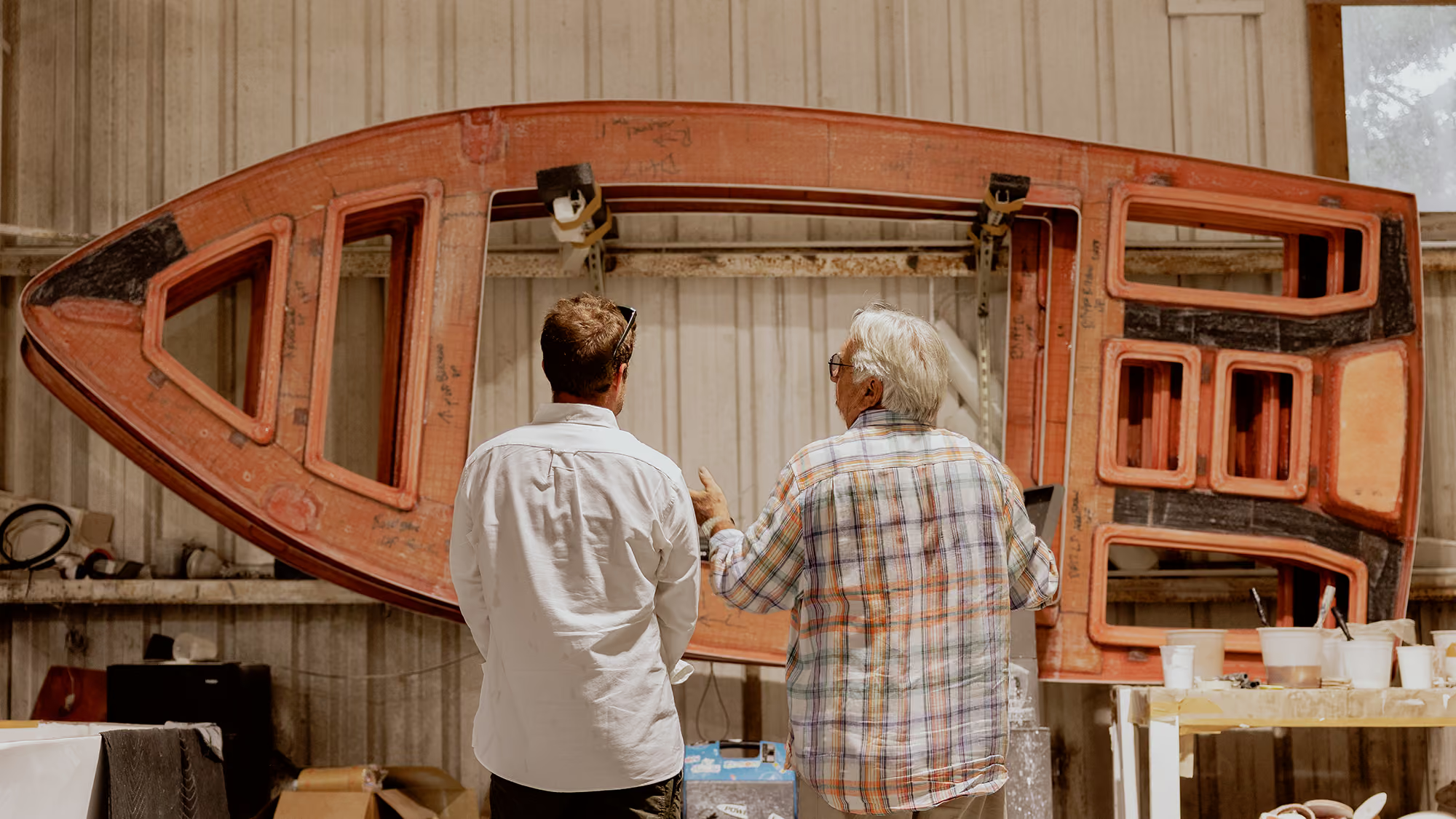

Buzzards Bay and Vineyard Sound can build a short, closely spaced chop that feels very different beneath a small boat from a long open-water swell. Current also runs through these waters, adding another influence to the surface and changing how settled the ride can feel from one stretch to another.
A short sea asks the hull to recover quickly because the next rise arrives before the boat has fully settled from the last. Entry, freeboard, weight, and overall proportion all influence how composed the boat feels through that movement. The same boat can feel entirely different once it leaves a sheltered harbor and reaches more exposed water.
This contrast is part of everyday life for Martha’s Vineyard fishing boats, but it is not unique to anglers. Families heading out for the day and owners moving between island destinations feel those conditions through the ride itself. A locally suited boat needs enough versatility to feel natural in more than one kind of water.
Boat size is one of the questions island boaters return to most when talking about the Vineyard crossing, and the conversation often settles around 24 feet. Experienced local boaters commonly cite it as a rule of thumb for comfort and conditions, not as a safety limit.
Length alone never tells the whole story. Entry, freeboard, weight, and proportion influence how a smaller boat feels once protected water falls away. Two boats of similar length can deliver very different experiences on the same stretch of water, and experienced boaters also factor the day’s weather into that judgment.
The crossing is one reason local boating resists simple formulas. Time around island moorings may favor ease and maneuverability, while the crossing puts more emphasis on how the hull carries its size, weight, and freeboard. Even among Martha’s Vineyard luxury boats, finish is only part of the experience. The hull beneath it still has to suit the waters around the island, from protected approaches to more exposed stretches.
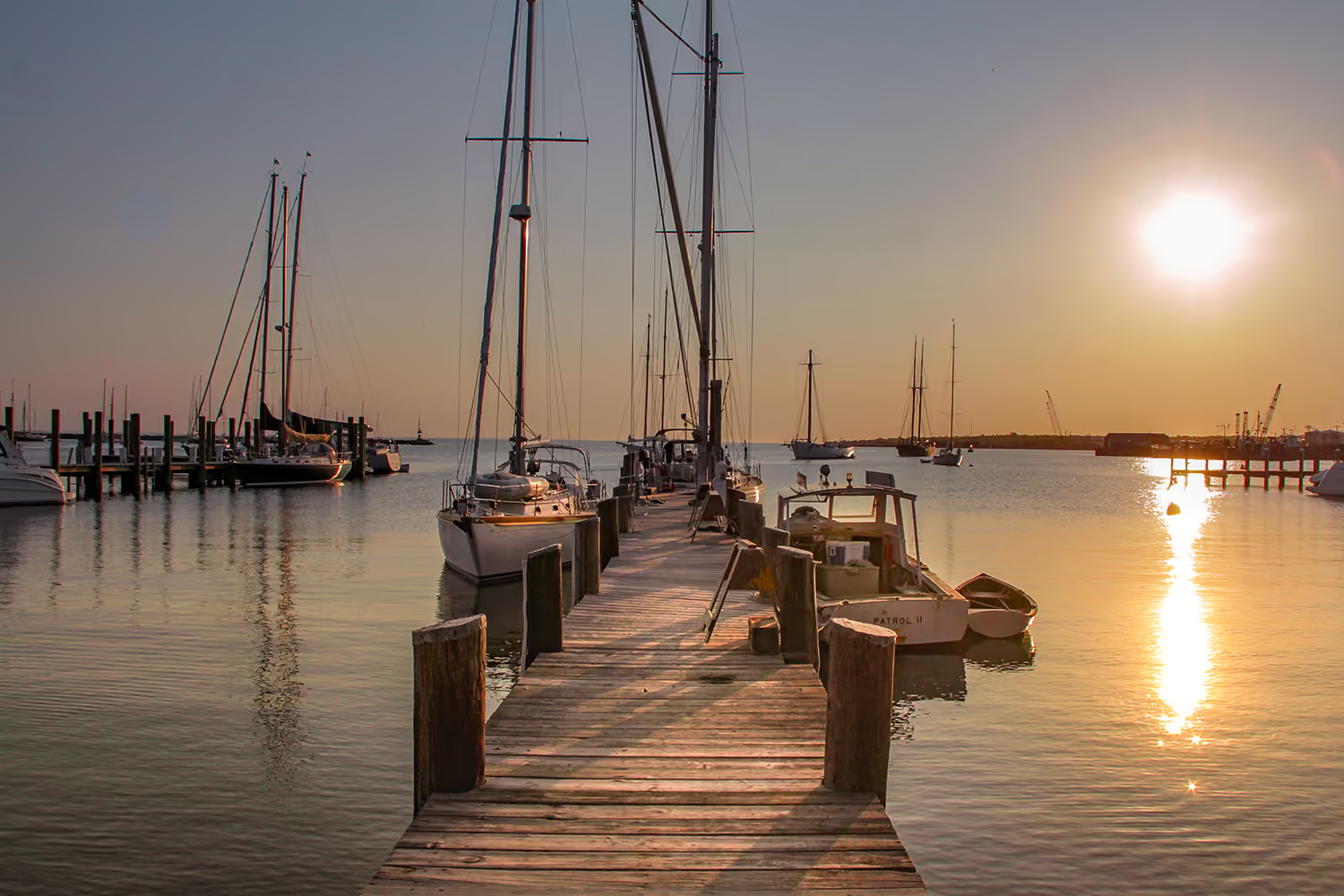
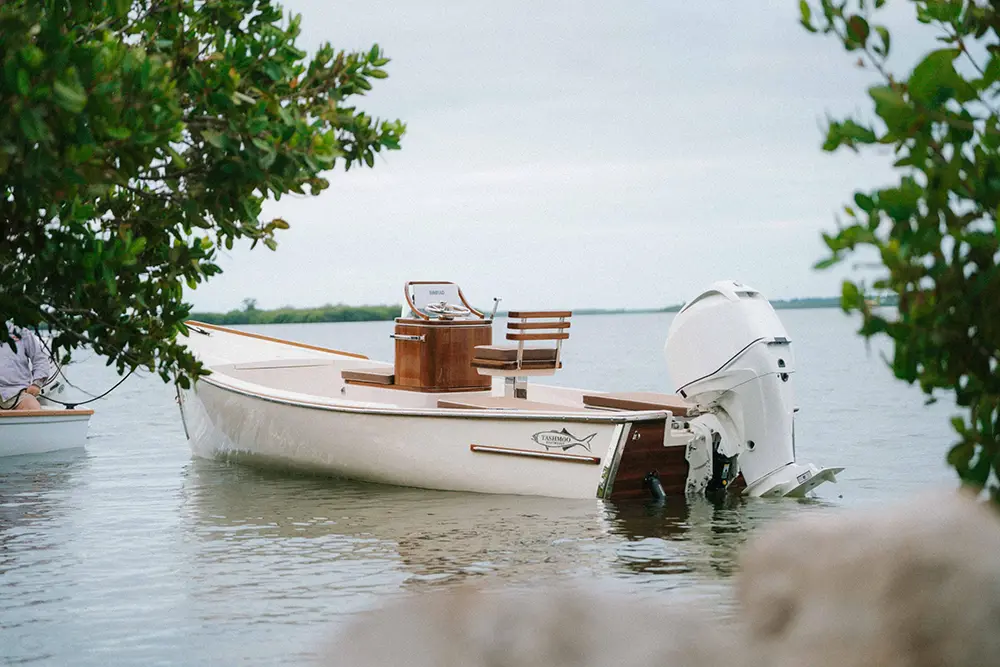
Around Vineyard Haven, boats quickly move into closer, more confined water. The same is true around Oak Bluffs and Edgartown, while coves and skinny-water edges around the island reward less hull below the surface. Shallow draft can make those inshore places easier to work without turning draft into the only quality that counts.
Eight inches of draft gives a clear sense of what that looks like in practice. With relatively little hull below the waterline, a boat can sit closer to the island’s shallower edges and move more comfortably through fishing grounds and protected water where deeper draft becomes more restrictive. It also keeps more of the island’s smaller coves and close-in water within comfortable reach.
For anglers comparing the best fishing boats for Martha’s Vineyard, that extra access can be useful around coves, protected edges, and other close-in water where fish may hold. A hull built for shallow water is naturally at home in that kind of setting, keeping more of the shoreline and quieter pockets within reach.
Martha's Vineyard striped bass are part of the region's inshore identity. Good saltwater fishing boats for Martha’s Vineyard need to make the fishing itself feel uncomplicated. A stable place to stand and bait up, room to move and reel in a catch, and the opportunity for a quiet approach are all important when the boat becomes a working platform rather than simply a way to reach the fish.
An uncluttered deck earns its keep quickly. Rods, line, the skipper, and guests all need space. Water access is just as important, giving anglers more freedom to work the inshore fishery without making the boat feel narrowly specialized around fishing alone.
However, fishing for striped bass, bonito, and bluefish is only half the local picture. Martha’s Vineyard is equally a safe place for family days, harbor runs, and time on the water without a rod in hand. Women and men should feel equally at home aboard. A boat that works well here ensures it leaves room for all of those different uses without forcing every outing into the same pattern.
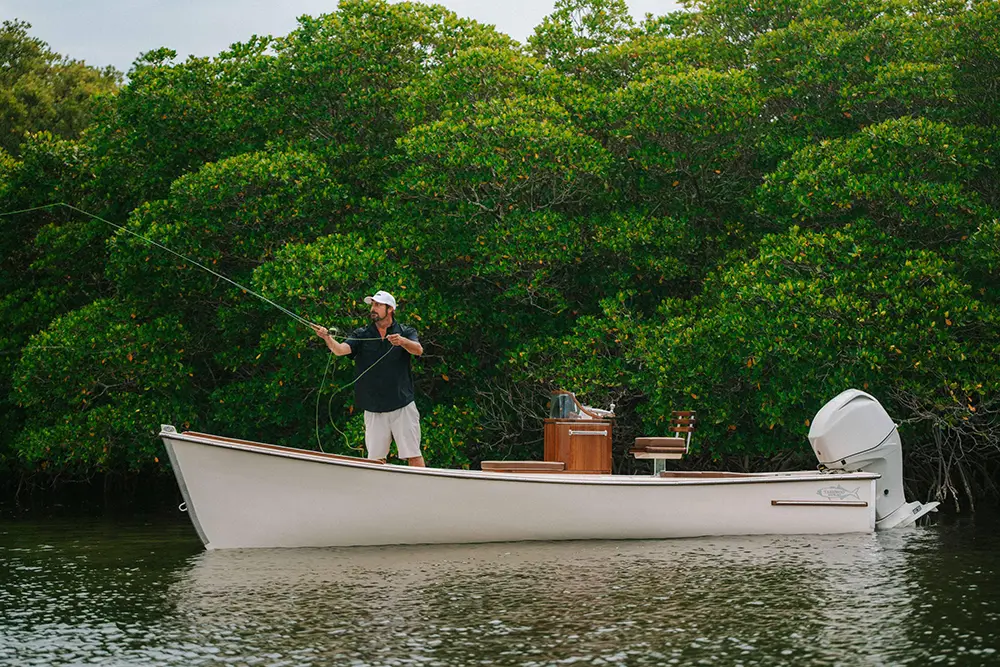
The working boats of the New England coast developed around the jobs and waters they had to meet. Their proportions grew from practical use, giving design lineage a weight that styling alone cannot reproduce.
The skiff design originated on Martha’s Vineyard, while examples built in the 1980s are still working Vineyard waters decades later. Today’s hulls return to the restored original molds in hand-laid fiberglass, carrying that lineage forward. The boat’s home waters are part of that lineage, where earlier skiffs are still in use.
For luxury boats for Martha’s Vineyard, this ancestry brings a different kind of presence that you can captain by commissioning your own skiff. Finish and craftsmanship can be refined without overwhelming the character underneath. A boat with local roots does not need to announce them loudly. The connection comes through in the restraint of the design, the continuity of the hull, and the history written into it.
The best boats for Martha’s Vineyard still come back to the same two qualities. Shallow draft helps around the island’s harbors and coves, while a hull suited to Vineyard Sound gives the boat the composure needed when the water becomes more active.
Fishing, fun family days or small group outings, tender duty, and quiet runs between harbors can all belong to the same boat when the underlying design is versatile enough to carry them. Design your Tashmoo around the way you plan to enjoy the boat during your lifetime.
 CONTACT US